HVAC Basics: Heat Pumps Explained
By Anne Fonda
Electric heat pumps are effective heating and cooling solutions for a variety of climates. For areas with harsh winters, we would recommend a cold climate heat pump system, or a hybrid heating system where you pair a heat pump with a gas furnace.
How do heat pumps work?
An air source heat pump extracts heat from the air and transfers the heat to where it is needed (or not needed).
In the winter, the heat pump extracts heat from the outdoor air and moves it inside. In the summer, it reverses the process to extract hot air from inside and transfer it outside.
"A heat pump works like a two-way street for comfort—it moves heat into your home during winter and pulls it out during summer, keeping you cozy or cool as needed. Instead of burning fuel to create warmth, a heat pump simply transfers heat using energy-efficient technology. This makes it a smart choice for managing energy use, whether you live in a mild or colder climate. With the right system, you can enjoy year-round comfort and potentially lower your energy bills."
- Chelsea Hudson, Product Manager, Variable Speed Ducted Outdoor
This happens during the refrigeration cycle, shown below.
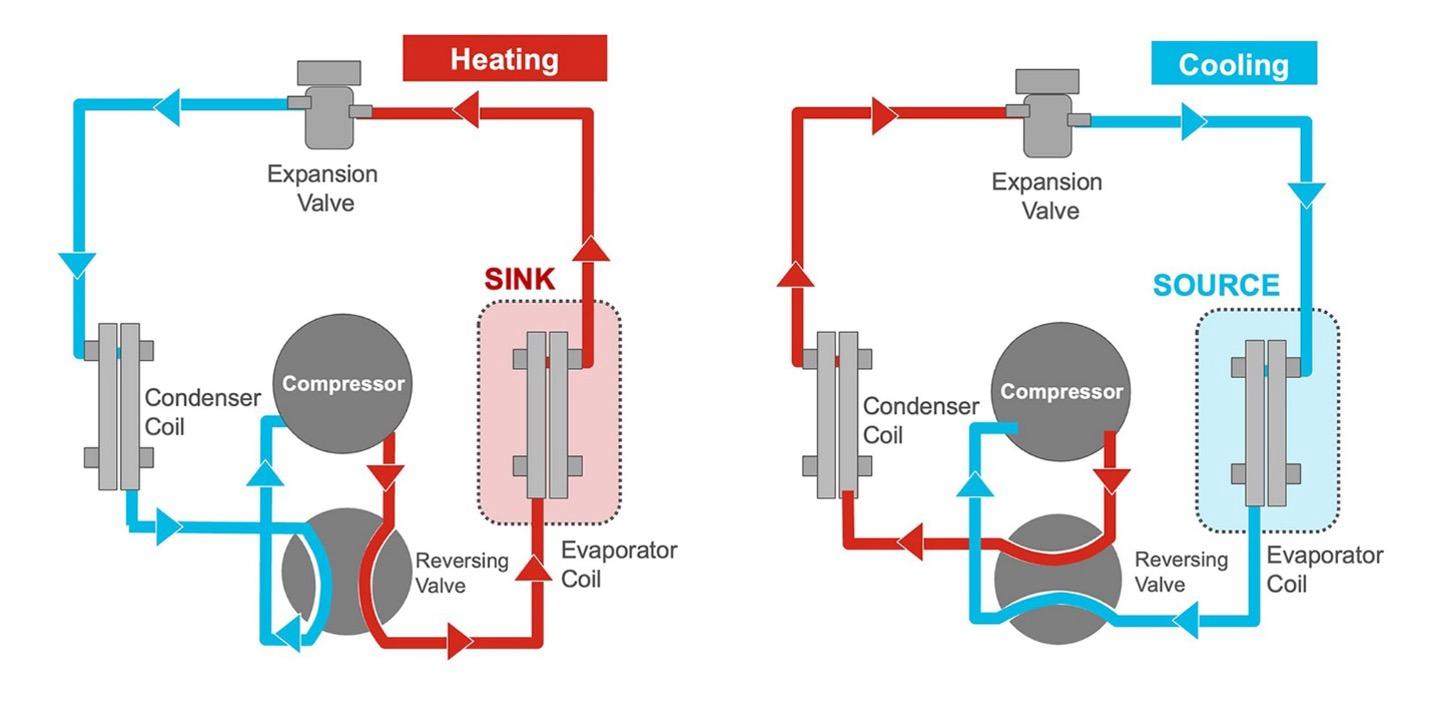
“A heat pump works by using refrigerant to absorb heat from one place and release it in another. In the winter, it pulls warmth from the outside air—even when it’s cold—and transfers it into your home. In the summer, it reverses direction to draw heat out of your indoor air and send it outside. This process efficiently keeps your home comfortable year-round with just one system.”
- Chelsea Hudson, Product Manager, Variable Speed Ducted Outdoor
Where do heat pumps work best?
Heat pumps can be a smart and energy-efficient HVAC solution no matter where you live, but they’re especially popular in the South or Southwest, where temperatures rarely dip below freezing. Even if you live in colder areas of the country, a heat pump may be the right choice for your home when matched with a furnace in a hybrid heating system. Look for a higher Heating Seasonal Performance Factor (HSPF2) for higher heating efficiency.

AT WHAT TEMPERATURE ARE COLD CLIMATE HEAT PUMPS MOST EFFECTIVE?
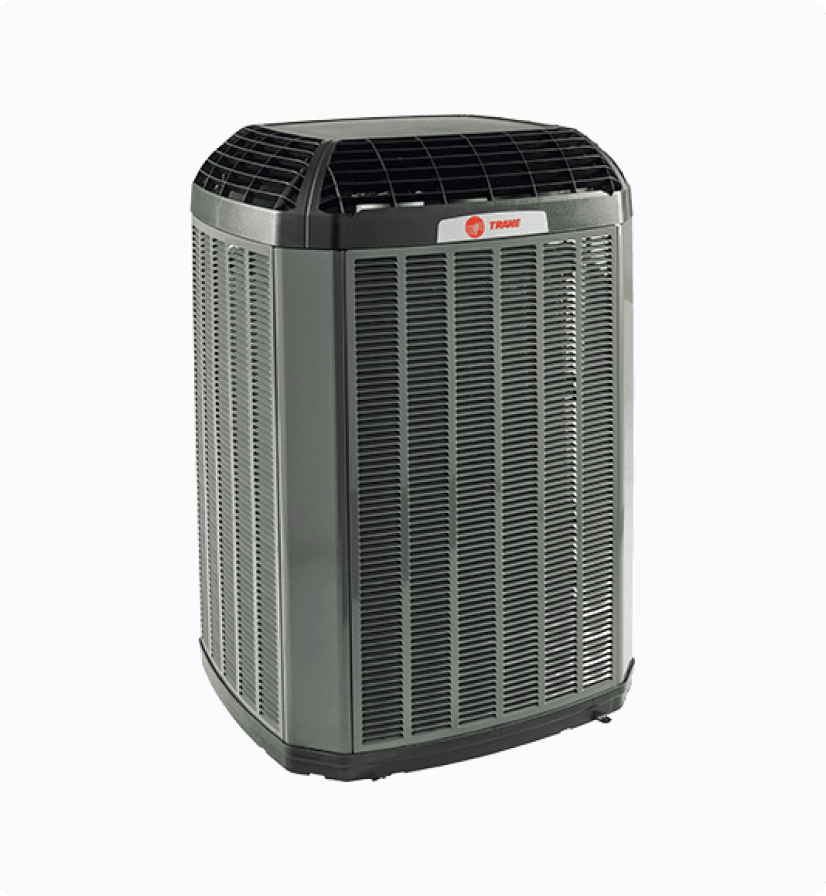
Cold climate heat pumps (CCHPs)are especially engineered to provide heat in extreme cold. Our low-profile CCHPs can provide 100% of your heat down to 5°F, and our vertical CCHP (available in 2026) can heat at even lower temperatures. Early installations in cold climate applications are successfully satisfying home heating requirements even down to -20°F (no backup heat) with up to 4 ft of snowfall.
HEAT PUMPS MAIN BENEFIT:
Energy efficiency
The main advantage of a heat pump is energy efficiency. Heat pumps extract heat from the air and move it, creating a comfortable space regardless of the outdoor temperature. In the summer, a heat pump acts just like an air conditioner and has similar energy output and efficiency based on the model you choose. During the winter, it reverses to pull heat from the air outside and move it inside.*
A heat pump can lower your energy cost
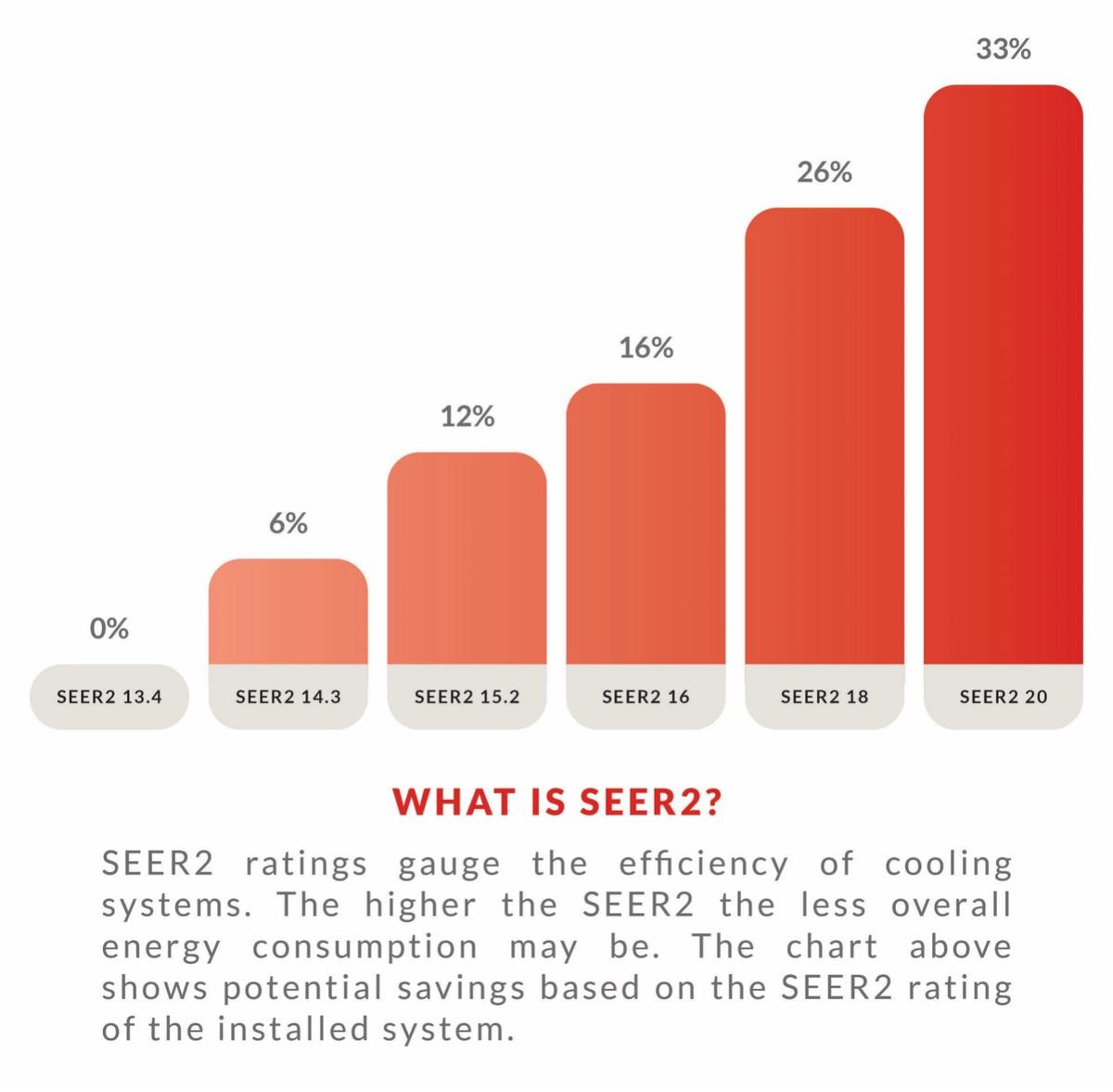
Trane heat pumps provide impressive Seasonal Energy Efficiency Ratio (SEER2) ratings, which means they're energy-efficient cooling systems that can help you lower your energy usage. Your potential cost savings will depend on the unit you choose, your climate, electricity rates in your area, and more.
Heat pump costs
The cost to purchase and install a heat pump system is usually very similar to that of a furnace with an air conditioner. There are some exceptions to this, and your local Trane dealer can assess your home, ask about your comfort priorities, and perform a load calculation before suggesting solutions.
A heat pump has similar operating costs to an air conditioner in the cooling season. During the heating season, the operating costs for a heat pump can be lower or higher than those of a gas furnace. It will depend on the electricity vs natural gas rates in your area, whether your utility company offers a discounted rate for electric heating in the winter, how mild your winters are, and more.
The average lifespan of a heat pump is generally 15 years, about the same as an air conditioner. You can help prolong the life of your heat pump with regular heat pump maintenance.
*The majority of systems installed prior to 2006 are 10 SEER or lower. Potential energy savings may vary depending on your personal lifestyle, system settings and usage, equipment maintenance, local climate, actual construction and installation of equipment and duct system.
**Based on ENERGY STAR's Savings Calculator for a 3-ton 21 SEER/10 HSPF heat pump and programmable thermostat versus the industry standard 14 SEER/8.2 HSPF 3-ton heat pump and standard thermostat in St. Louis, MO.
Anne Fonda
Content Writer, Trane Technologies
A Content Writer with Trane Technologies, Anne Fonda researches topics and writes for Trane® and associated residential HVAC brands. She works in collaboration with Trane Technologies subject matter experts, offering easy-to-understand, informative content on complex topics. Her goal is to help consumers make informed decisions on the products and services they need.
She has written for HVAC and other service provider websites for over 16 years. Before transitioning to web content writing, Anne had a 14-year stint as an award-winning journalist. She graduated cum laude from the University of Missouri-Columbia School of Journalism.
When she’s not working, Anne enjoys playing word games, reading, gardening, spending time with family, and visiting gardens and museums.
Expert review by Chelsea Hudson, Product Manager, Ducted Variable Speed Outdoor
Related products

Get helpful HVAC tips in our newsletter
Sign up for our email newsletter to learn helpful HVAC tips and tricks before your purchase your system.Related articles


Contact a local dealer
Dealers can answer questions, help you find the right products for your home, and repair your system.
We’re here to help
Connect with our Customer Care team about your products, warranties, and dealer concerns.
Available Monday – Friday from 7am to 5pm CST
A phone